
SS 304 Pipe vs. SS 316 Pipe: Which One Should You Choose?
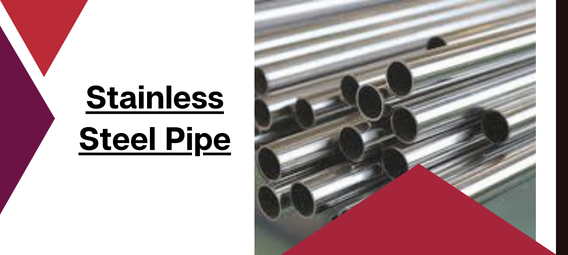
Stainless steel pipes are the backbone of many modern industries. You see them in kitchen appliances, city water lines, and massive chemical plants. They are strong, clean, and resist rust better than regular steel. However, when you start shopping for materials, you will quickly run into two specific labels: SS 304 and SS 316. These are the two most common types of stainless steel used for piping.
Choosing between them can feel like a tough call because they look identical to the naked eye. Picking the wrong one can lead to early rust or wasted money. This guide will help you understand the differences so you can pick the right pipe for your project.
Overview of SS 304 and SS 316 Stainless Steel Grades
Both SS 304 and SS 316 belong to a family called austenitic stainless steel. This means they have a specific crystal structure that makes them tough and easy to shape. They are popular because they don’t get brittle in the cold and they are easy to weld.
At a basic level, both grades contain iron mixed with chromium and nickel. The chromium creates a thin, invisible layer on the surface that stops rust. While they share many traits, their internal recipes are slightly different. These small changes in the mix lead to big differences in how they handle harsh settings like salt air or chemicals.
Chemical Composition Comparison
The main difference between these two pipes lies in what they are made of. Stainless Steel 304 Pipe usually contains 18% chromium and 8% nickel. This is why many people call it “18-8” steel. It is a great all-around mix for general use. On the other hand, SS 316 pipe has a secret ingredient: molybdenum. While it still has chromium and nickel, it adds about 2% to 3% molybdenum to the batch. This extra metal acts like a shield against specific types of corrosion. Without this molybdenum, 304 steel is more likely to pit or develop tiny holes when it touches salt or heavy acids.
Mechanical Properties and Strength
When it comes to pure strength, these two pipes are very similar. Both have high tensile strength, meaning they can pull a lot of weight before they snap. They also handle high pressure well, which is vital for plumbing and gas lines. If your job involves a lot of bending or welding, both grades are friendly to work with. They stay strong under high heat, though SS 316 has a slight edge in very hot environments.
For most standard building tasks, you won’t notice a massive difference in how they hold up under physical stress. The choice usually comes down to chemistry rather than physical muscle.
Corrosion Resistance and Environmental Performance
SS 304 pipe works well in fresh water and normal outdoor air. It resists most food acids and standard rain. However, it has a weakness: chloride. If you use 304 steel near the ocean or on roads treated with salt, it will start to show brown rust spots. SS 316 pipe is built for these tough spots. The molybdenum inside helps it fight off salt and harsh cleaners. This makes it the go-to choice for marine environments or factories that use heavy chemicals. If your pipe will touch salt water, 304 will fail much faster than 316.
Applications of Stainless Steel 304 Pipe vs SS 316 Pipe
You will find Stainless Steel 304 pipe in places where hygiene and looks matter but salt isn’t a factor. It is the standard for milk processing, beer brewing, and commercial kitchens. It is also common in indoor plumbing and architectural trim on buildings.
SS 316 pipe is reserved for high-stakes areas. It is used in surgical tools, pharmaceutical labs, and boat railings. Chemical plants use 316 to move corrosive liquids safely. While 304 works for a kitchen sink, 316 is what you want for an oil rig or a swimming pool pump system where chlorine levels are high.
Cost, Availability, and Maintenance Considerations
Budget is often the biggest hurdle in this choice. Because it contains molybdenum and more nickel, SS 316 is more expensive than SS 304. The price gap can be 30% to 50% depending on the market. SS 304 is also more widely available at local hardware stores. In terms of maintenance, 304 needs more frequent cleaning if it is outdoors to prevent staining.
While 316 costs more upfront, it often saves money in the long run. If you put 304 in a salty area, you will have to replace it in a few years. Spending more on 316 at the start can mean the pipe lasts for decades without repairs.
How to Choose Between SS 304 and SS 316 Pipe
To make the right choice, look at three things: your location, your budget, and what is flowing through the pipe. If you are building something inland, like a handrail for a mall or a water line for a house, SS 304 is the winner. It saves you money and does the job perfectly.
However, if your project is within five miles of the coast, go with SS 316. The same applies if the pipe will carry salt water or harsh cleaners. If you have the budget and want the “set it and forget it” option for any outdoor use, 316 is the safer bet. It handles the unexpected better than 304.
Conclusion
Both SS 304 and SS 316 are excellent materials that have changed how we build the world. The main takeaway is that SS 304 is the standard, cost-effective choice for most general tasks. It is strong, clean, and looks great. But it has a limit when it comes to salt and chemicals. SS 316 is the premium upgrade that handles the jobs 304 cannot touch. By matching the steel grade to your specific environment, you ensure your piping system stays safe and rust-free for its entire life. Always weigh the upfront cost against the environment to get the best value for your project. Preston Pipes and Alloys offers a wide range of SS 304 and SS 316 products get in touch with our experts today for the right material selection and a competitive quote.


Whatsapp
+91 9773411691