
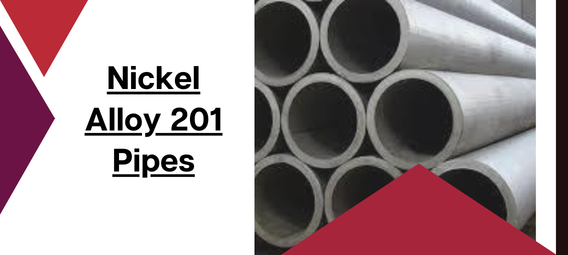
Modern industrial plants face tough challenges. Pipes must carry hot, corrosive liquids and gases without breaking or leaking. For a long time, engineers used carbon steel or stainless steel for these jobs. While those materials work well for basic tasks, they often fail when things get too hot or too salty. In these extreme spots, nickel alloys take over. Nickel Alloy 201 Pipes is a top choice for these hard jobs. These pipes are tough, reliable, and built to last where other metals fails.
What Is Nickel Alloy 201?
Nickel Alloy 201 is a commercially pure metal. This means it is almost entirely made of nickel. It is very similar to Nickel 200, but there is one big difference: the amount of carbon. Nickel 201 has a much lower carbon level. This small change is a big deal. When metals get very hot, too much carbon can cause them to become brittle and crack. By keeping carbon low, Nickel 201 stays strong and flexible even at high temperatures. You will often see it listed under standards like ASTM B161 or UNS N02201.
Chemical Composition and Metallurgical Characteristics
The secret to this alloy is its purity. It is usually at least 99% nickel. By keeping the mix simple, the metal gains unique powers. The most important part of its recipe is the low carbon limit, usually kept below 0.02%.
In other metals, carbon can turn into graphite when heated for a long time. This process, called graphitization, makes the metal crumble. Because Nickel 201 has so little carbon, this problem does not happen. The metal stays stable and keeps its shape, even when it lives in a furnace or a chemical reactor for years.
Mechanical and Physical Properties of Nickel Alloy 201 Pipes
These pipes are famous for being “tough but friendly.” They have good tensile strength, meaning they can pull a heavy load without snapping. They are also ductile, which means they can bend and stretch without breaking. Aside from strength, these pipes are great at moving energy. They have excellent thermal conductivity, so they move heat quickly.
They also carry electricity very well. One of the coolest things about Nickel Alloy 201 is how it handles the cold. Many metals get brittle and shatter like glass in sub-zero temperatures. Nickel 201 stays tough even in cryogenic settings. This mix of heat resistance and cold-weather strength makes it a reliable partner for any factory.
Corrosion Resistance and Environmental Performance
Corrosion is the enemy of any piping system. Rust a metal until it leaks. Nickel Alloy 201 is like a shield against these attacks. It is specifically known for its ability to resist caustic alkalis. If you are moving hot lye or caustic soda, this is the metal you want.
It also stands up well to dry gases like fluorine and chlorine. While stainless steel might struggle in highly salty or alkaline spots, Nickel 201 stays smooth and clean. It also resists oxidation, which is the “rust” that happens at very high temperatures. This makes it a better choice than many common steels when the environment is both hot and chemically aggressive.
Common Applications of Nickel Alloy 201 Pipes
- Chemical Processing and Caustic Soda
These pipes are the gold standard for moving caustic soda. They can handle high concentrations and high heat without thinning out. This is vital for making soap, paper, and various chemicals. - Heat Exchangers and Condensers
Because the metal moves heat so well, it is perfect for heat exchangers. It helps cool down hot processes or
boil liquids efficiently while resisting the gunk and scale that ruins other pipes. - Food Processing and Pharmaceuticals
In these industries, purity is everything. Nickel 201 does not leach chemicals into the product. It is easy to clean and keeps vitamins, medicines, and food safe from contamination. - Aerospace and Electronic Components
Engineers use these pipes in planes and electronics because they are reliable. They can handle the vibration of a jet engine or the electrical needs of a high-tech sensor. - High-Purity and High-Temperature Jobs
When a lab needs a pipe that won’t react with a special gas, they choose Nickel 201. Its ability to stay pure under pressure is unmatched.
Fabrication, Welding, and Machining Considerations
- Easy to Weld
You can weld Nickel 201 using most standard tools. It works well with TIG or MIG welding. The main trick is keeping everything clean. Even a tiny bit of grease or dirt can mess up the weld. - Forming and Machining
This metal is easy to shape. You can bend it or spin it into different forms. When cutting it on a lathe, it behaves much like mild steel, though it can get hard if you work it too much. - Cleanliness is Key
To get the best results, the workshop must be spotless. Sulfur and lead are “poison” to nickel. If these elements touch the hot metal, they can cause deep cracks. - Heat Treatment
Sometimes, after bending or welding, the metal needs to be “relaxed.” Heating it to a specific temperature and cooling it down helps remove internal stress, making the pipe last longer.
Key Benefits of Using Nickel Alloy 201 Pipes
- Top-Tier Alkali Resistance
No other low-cost metal handles hot caustic solutions as well as this one does. - Great Heat Movement
These pipes save energy because they move heat so effectively in industrial boilers and coolers. - Extreme Temperature Range
Whether it is glowing hot or freezing cold, the pipe stays strong and does its job. - Long Life and Low Costs
You might pay more upfront for nickel than for steel. However, since it doesn’t rust or crack, you won’t have to replace it every few years. This saves a lot of money on repairs.
Choosing the Right Nickel Alloy 201 Pipe Supplier
- Check the Certifications: Always ask for a Mill Test Report (MTR). This paper proves the metal actually has the low carbon and high nickel levels you paid for.
- Standard Compliance: Make sure the supplier follows international rules like ASTM or ASME. This ensures the pipe walls are thick enough and the metal is high quality.
- Size and Custom Needs: A good supplier should offer many sizes. Sometimes you need a very thin pipe or a very thick one. Check if they can cut or finish the pipes to your specific needs.
- Experience Matters: Look for a team that knows nickel. It is a specialized metal. A supplier who understands how it reacts to heat and chemicals can help you avoid big mistakes.
Conclusion
Nickel Alloy 201 pipes are a vital tool for tough industrial work. Their high purity and low carbon content give them a unique ability to handle heat and harsh chemicals. They are the best choice for moving caustic substances and working in extreme temperatures. By choosing these pipes, you get a system that is strong, efficient, and built to last for decades.
When your project involves high heat or corrosive alkalis, Nickel 201 is the smart, reliable move. Preston Pipes and Alloys supplies premium-quality Nickel Alloy 201 pipes that meet stringent industrial standards, contact us today to get expert guidance and a customized quote for your application.


Whatsapp
+91 9773411691