
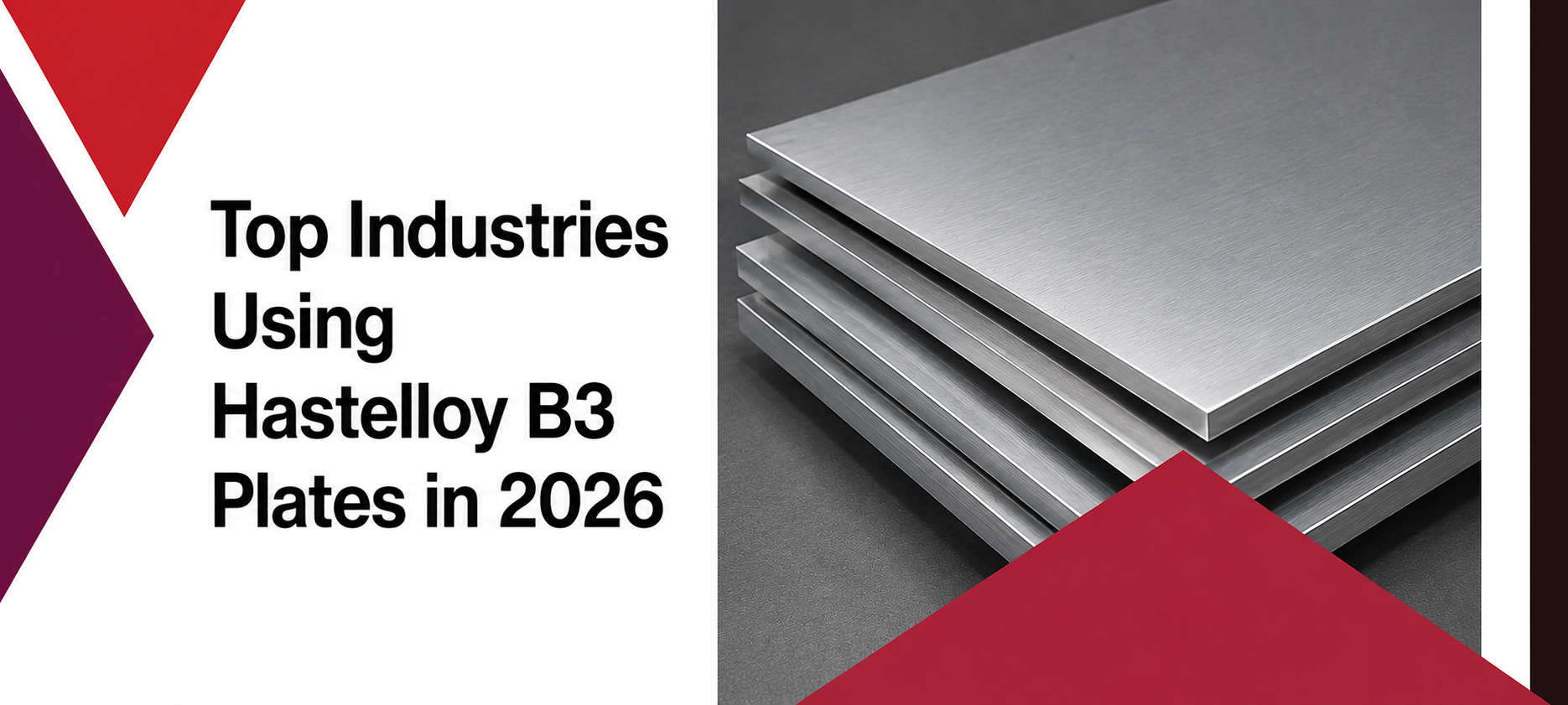
Hastelloy B3 plates are nickel-molybdenum metal plates used in places where strong protection against corrosive chemicals is needed. This alloy works especially well in environments with hydrochloric acid and other similar chemicals, because it does not wear out or get damaged quickly.
In 2026, there is a higher demand across industries dealing with aggressive chemicals and continuous processing environments. Equipment failure is costly, so materials like UNS N10675 Hot Rolled Plate are being selected more often. Hastelloy B3 plates are installed in essential equipment that operates under corrosive, high‑temperature, and high‑pressure conditions. Various industries choose either Hastelloy B3 chequered plates or regular plates, depending on what each application requires.
What Are Hastelloy B3 Plates?
Hastelloy B3 Plates are made from a nickel molybdenum alloy designed for use in reducing chemical environments. The composition mainly includes high nickel and molybdenum content, which gives it stability in hydrochloric acid conditions. Compared to many stainless steels, the performance is more reliable in highly acidic systems.
The material shows strong resistance to pitting and stress corrosion cracking. It also performs well at elevated temperatures without losing structural integrity. This helps in maintaining consistent operation in industrial systems where temperature fluctuations are common.
When compared with Hastelloy B2, B3 offers improved thermal stability. It avoids some of the fabrication issues seen in earlier alloys. Compared to C276, B3 is more focused on reducing environments rather than oxidizing ones.
For industrial procurement, working with a reliable Hastelloy B3 plate supplier is necessary to ensure proper material certification and supply consistency.
Key Properties That Drive Industrial Demand
These properties make the plates suitable for harsh chemical environments. Companies rely on them to perform reliably under high pressure, high heat, and acid exposure.
Corrosion resistance in reducing environments
Hastelloy B3 Plates resist corrosion in reducing environments such as hydrochloric acid systems. This reduces material degradation, avoids frequent replacement, and supports stable operation in chemical processing units over extended service cycles.
Resistance to sulfuric and phosphoric acids
The alloy also performs well in sulfuric and phosphoric acid conditions. It maintains surface integrity under exposure, which helps in handling mixed chemical streams commonly present in industrial processing and treatment facilities.
Improved thermal stability vs earlier alloys
The alloy also maintains strong performance in sulfuric and phosphoric acid environments. It keeps its surface intact under exposure, making it suitable for managing mixed chemical streams often found in industrial processing and treatment plants.
Weldability and fabrication advantages
Hastelloy B3 Plates are easier to weld compared to earlier alloys. Fabrication processes are more controlled, reducing cracking risks. This supports the manufacturing of complex equipment without excessive rework or failure during assembly.
Longevity and reduced maintenance cost
The material lasts longer in corrosive environments. Reduced corrosion damage lowers maintenance frequency. This leads to fewer shutdowns, less part replacement, and overall better cost control across long-term industrial operations.
Top Industries Using Hastelloy B3 Plates in 2026
Demand is spread across industries dealing with acids, high temperatures, and continuous chemical exposure. Material failure in these sectors leads to downtime, so stable alloys like Hastelloy B3 are being used more.
Chemical Processing Industry
This industry uses Hastelloy B3 Plates in reactors, heat exchangers, and storage tanks. It handles hydrochloric acid and aggressive chemicals daily, so the material helps reduce contamination, equipment damage, and operational downtime.
Pharmaceutical Industry
Pharmaceutical plants require corrosion-resistant materials to maintain clean processing conditions. Hastelloy B3 Plates are used in reactors, vessels, and piping systems to prevent contamination and meet strict quality standards.
Petrochemical Industry
Petrochemical plants deal with aggressive chemicals and high heat. Hastelloy B3 plates are installed in pipelines and processing equipment where strong corrosion resistance and reliable strength are needed for long-term, safe operation.
Pollution Control and Waste Treatment
Waste treatment systems use these plates in scrubbers, ducts, and chemical handling equipment. They handle acidic waste streams and support compliance with environmental regulations that are becoming stricter in 2026.
Power Generation Industry
Power plants use Hastelloy B3 Plates in flue gas desulfurization systems. The material resists acidic gases and heat exposure, which helps improve system durability and reduces maintenance requirements during plant operation cycles.
Pulp and Paper Industry
This industry deals with chlorine and acidic compounds during processing. Hastelloy B3 Plates are used in bleaching equipment where corrosion resistance is necessary to avoid equipment failure and maintain production continuity.
Why Industries Prefer Hastelloy B3 Plates in 2026
Industries are selecting Hastelloy B3 Plates because they last longer than standard stainless steels in corrosive environments. Frequent replacement is not practical in continuous systems, so durability is important.
There is also a cost aspect. The initial price is higher, but over time, the material reduces repair work, shutdown frequency, and component replacement. This balances the overall operating cost.
Another point is compliance. Many industries now follow stricter safety and environmental standards. Using a material that performs consistently helps meet those requirements without repeated inspection failures or unexpected breakdowns.
Challenges and Considerations
The first concern is cost. Hastelloy B3 Plates are more expensive than common materials, which can affect initial project budgeting. Some projects try to limit usage only to critical sections.
Fabrication also needs attention. Skilled handling is required during welding and forming to maintain the material properties. Incorrect processing can affect performance.
Availability depends on the supplier. UNS N10675 Hot Rolled Plates and Hastelloy B3 Chequered Plates are not available with all suppliers. Delivery times can change based on how many plates you order and whether you require custom sizes.
Tips for Choosing the Right Hastelloy B3 Plates Supplier
Check for proper certifications and material test reports. This confirms that the plates meet the required standards, which ensures performance.
Experience matters. Suppliers who deal regularly in nickel alloys usually understand handling, storage, and documentation requirements better.
Stock availability is another factor. Some projects need immediate supply, while others need custom sizes. A supplier should be able to support both.
Export capability can also be relevant if the project is outside the local region. Reliable Hastelloy B3 Plates Suppliers usually maintain logistics support for international delivery and documentation.
Conclusion
Hastelloy B3 Plates are seeing wider use in 2026 across sectors that work with aggressive chemicals and elevated temperatures. This alloy performs reliably in reducing environments and helps ensure long service life for critical systems.
Industries including chemical processing, power generation and waste treatment rely on this material to minimize corrosion issues. Although the initial cost is higher, it proves economical over time by cutting maintenance needs and enabling equipment to operate for longer periods between shutdowns.
Preston Alloys ensures material quality, availability and proper support for industrial use.


Whatsapp
+91 9773411691